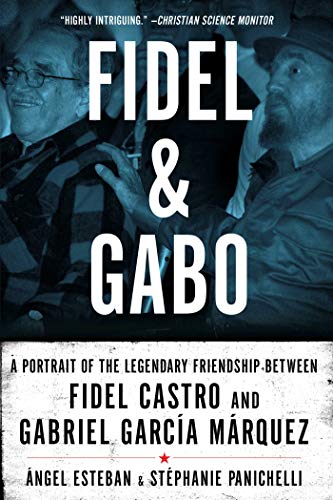
Fidel and Gabo : A Portrait of the Legendary Friendship Between Fidel Castro and Gabriel Garcia Marquez.
Material type: TextPublisher: [Place of publication not identified] : Pegasus Books, 2009Description: 24 cm. 340 pagesContent type:
 - text
- unmediated
- volume
- General
- 9781605980584
- B
| Item type | Current library | Collection | Call number | Status | Barcode | |
|---|---|---|---|---|---|---|
 Books
Books
|
John Tomay Memorial Library | ANF | 972.9 EST (Browse shelf(Opens below)) | Available | 3GTPL00080668- |
Browsing John Tomay Memorial Library shelves Close shelf browser (Hides shelf browser)


There's no romance in the relationship between the Cuban dictator Fidel Castro and the Nobel-winning Colombian novelist Gabriel García Márquez, argues this stinging j'accuse. On the surface their friendship is chummy and literary: Castro drops by García Márquez's Havana mansiona gift from Castro himselffor endless conversation and critiques his manuscripts. But the authors view the men's bond as corrupt and neurotic: García Márquez, obsessed with power in both his fiction and real life, gets political influence; Castro, in turn, gets cultural prestige and a matchless propagandist. The authors condemn García-Márquez's public silence over Cuban censorship and human rights violations. Almost compulsive in their point scoring, the authors jeer at the novelist for going to American rather than Cuban hospitals. More polemic than biography, their study tellingly rebukes the Left's propensity for blinding itself to the failings of the Cuban revolution by glamorizing its leaders.
There are no comments on this title.